
“We want a website, but we don’t know which developer to choose.”
Small business owners and people in charge of their company’s website ask us this more than almost anything else.
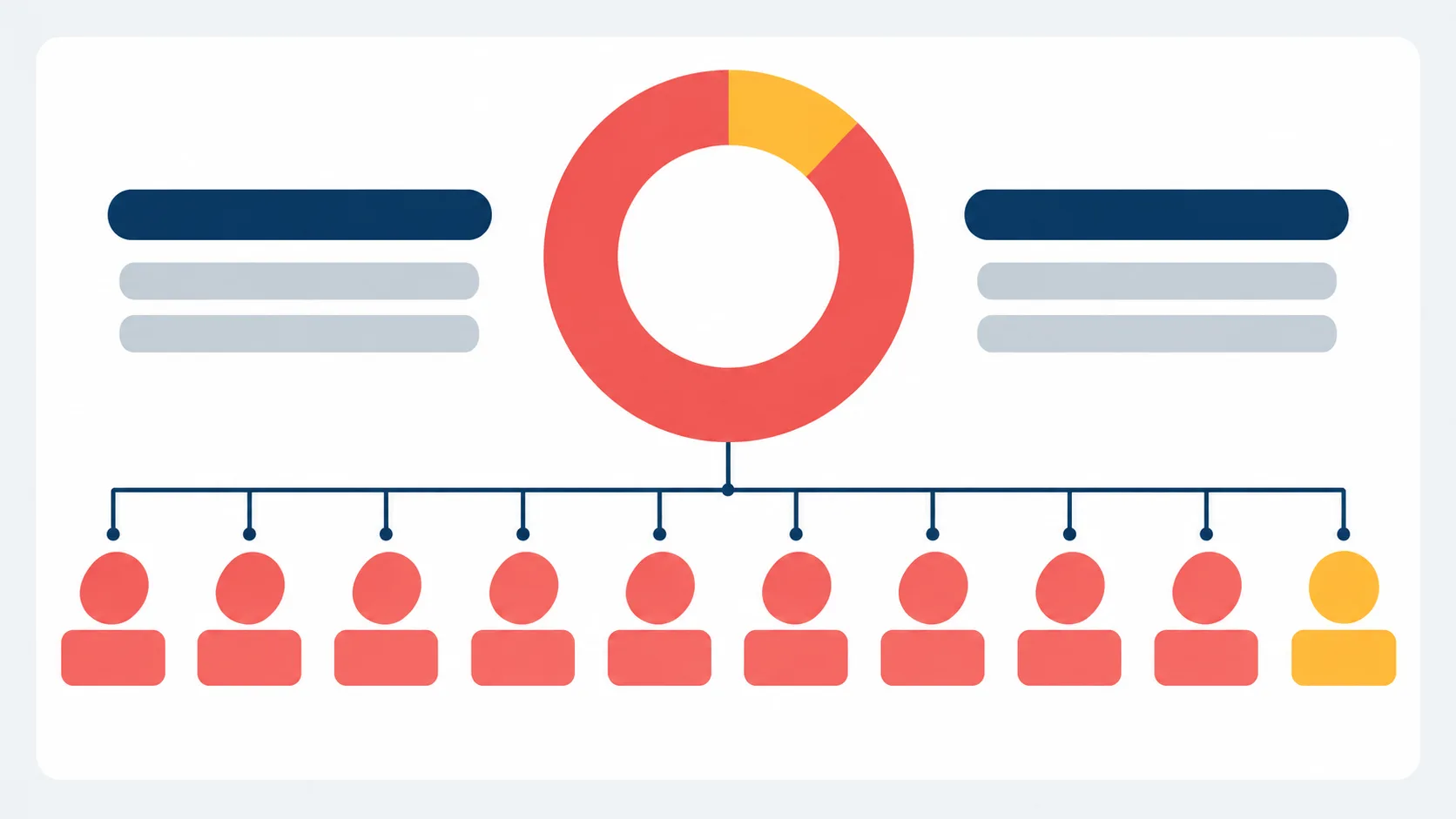
In fact, an industry survey found that about 87.7% of companies that outsourced website development experienced some kind of failure. Going over budget, a site that doesn’t match what they pictured, missing features — most of these problems come down to “how the developer was chosen.”
In this article, I’ll draw on my work as a web development engineer to give you a candid explanation of how to really read a portfolio and how to choose a developer without regrets.
You can avoid choosing the wrong web developer by looking at what’s in the portfolio, not how many projects it lists. Check whether each project tells a problem → solution → results story, whether there are projects in an industry close to yours, and whether the developer publishes results. Also check the quote breakdown, ownership, and contract, and put real weight on the contact person’s personality and listening skills.
Nearly 9 in 10 Companies Have “Failed” When Outsourcing Web Development
3 Common Failure Patterns
According to the same survey, these are the three most common failures when outsourcing web development:
| Failure | Share |
|---|---|
| Went significantly over budget | 32.1% |
| Requirements were not communicated properly | 29.1% |
| The design was very different from what was expected | 28.4% |
Each of these failures could likely have been prevented at the stage of choosing a developer.
“Requirements were not communicated properly” and “the design was different from what was expected” are especially likely when you hire a web agency. If your point of contact is a director or salesperson, and you can’t talk directly with the designers and engineers who actually build the site, the nuances can get lost, like in a game of telephone.
Is It Really Safe to Choose a Company With Lots of Past Work?
“If we pick an agency with a long track record, we shouldn’t go wrong” — many people think this way.
However, a survey on website development produced a surprising result: cases where “a large number of past projects” was the deciding factor had the highest failure rate.
Why?
The reason is simple. The number of past projects alone can’t tell you whether a developer is the right fit for your company. Even with 100 projects, if most of them are e-commerce sites, the developer may have little experience with corporate websites.
What matters isn’t “how many projects” but “how you read what’s in those projects.”
5 Things You Should Really Look for in a Portfolio
Most articles on “how to choose a web agency” just say “check their portfolio” and stop there. Hardly any of them explain what to look at, or how to look at it.
To be honest, as a developer myself, I can tell you there is a “right way” to read a portfolio.
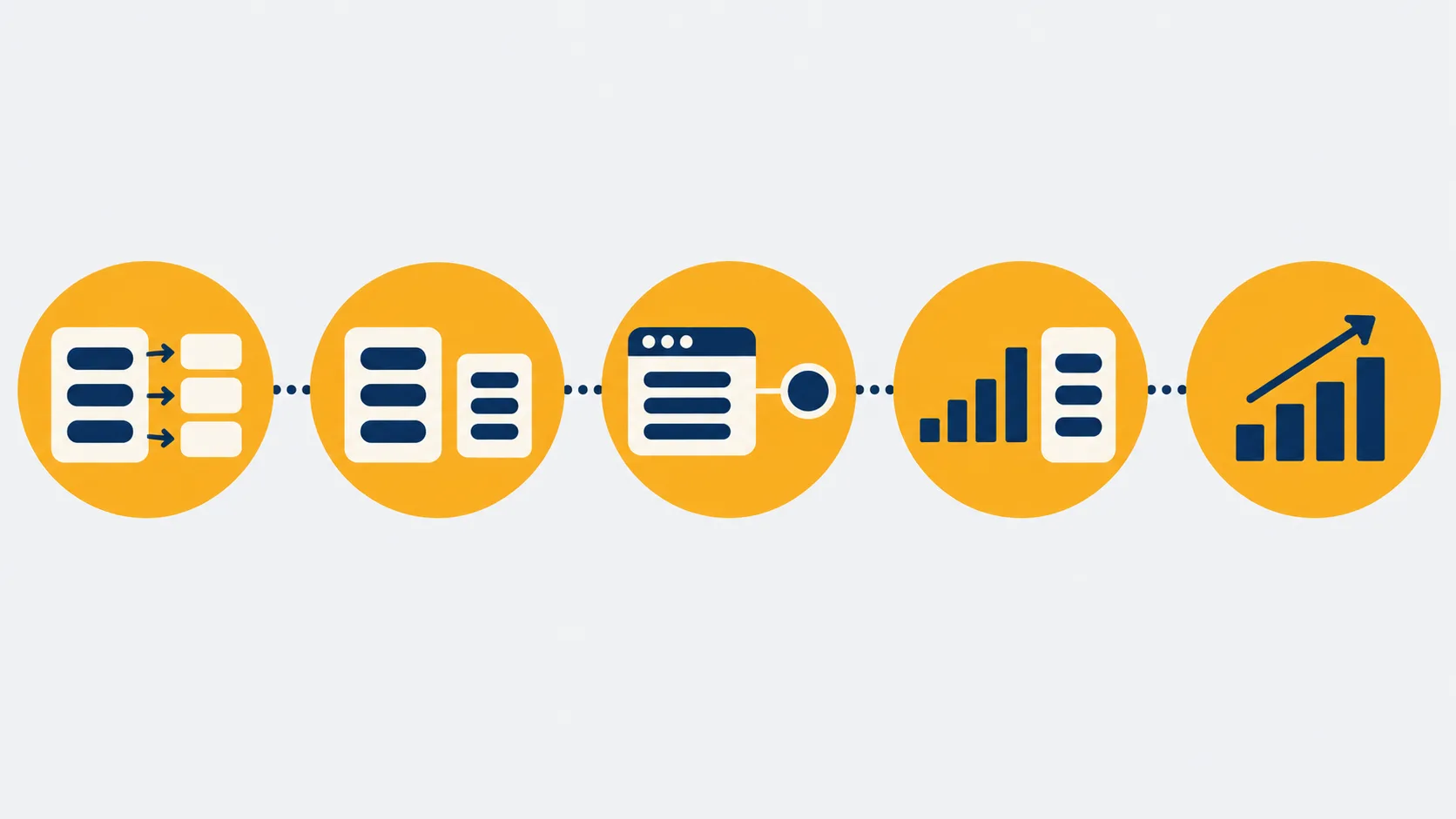
① Is there a “problem → solution → results” story, not just a good-looking design?
I imagine the first thing you notice in a portfolio is how good the designs look. But honestly, a good-looking site and a site that gets results are two different things.
What you should really look for is whether the portfolio tells this story:
- Problem: What problem did the client have?
- Solution: What approach did the developer take to solve it?
- Results: What results came after the site was built?
For example, instead of just “We redesigned the site,” a portfolio might say, “We took a site that got 2 inquiries a month and raised it to 10 a month by rethinking the user flow and reorganizing the content.” A portfolio with concrete stories like this shows the developer’s ability to solve problems.
A portfolio that is “just a collection of screenshots, with no problem, solution, or results” means you can’t tell what the developer was thinking when they built it.
② Do they have projects in the same industry and of the same size as your company?
A restaurant website and a B2B company website need completely different know-how.
When you look at a portfolio, check whether there are sites in the same industry and of the same size as yours. If they have worked in your industry, they will build the site with an understanding of its particular circumstances, and meetings will go more smoothly.
In a survey of 118 people responsible for running websites, the top quality factor in choosing an agency was “a high level of design” (185 points), followed by “a strong focus on achieving goals” (148 points). Understanding your industry is directly tied to achieving your goals.
③ Has the developer put real effort into their own site?
This is the “cobbler’s children have no shoes” check.
If a developer’s own website has an outdated design that has been left untouched, doesn’t work well on smartphones, or loads slowly, it means they don’t even put effort into their own site.
On the other hand, if the developer’s own site is carefully built, that quality is a sign you can trust them. Try viewing the developer’s site as “one more item in the portfolio.”
④ Actually check page speed and mobile support
If the URLs of the sites in the portfolio are public, I recommend actually visiting them and checking.
There are two things to check.
Page speed: Just enter a URL into “PageSpeed Insights,” a free tool from Google, and it will score the site’s speed out of 100. If the score is below 50, the developer may not be putting much effort into speed optimization.
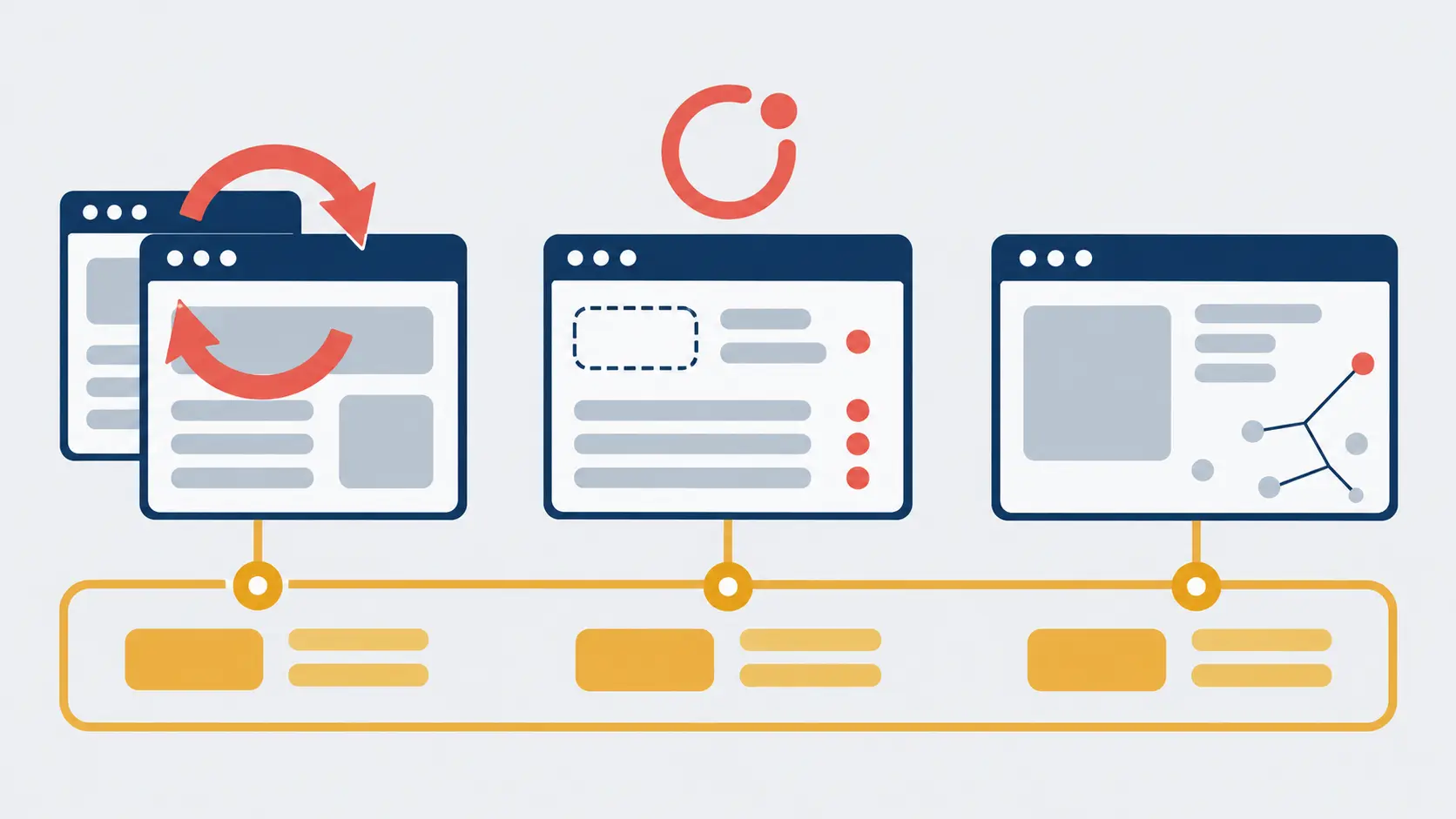
Mobile support: Visit the site on your own smartphone. Is the text too small? Are the buttons easy to tap? Do you have to scroll sideways? As of 2026, more than 70% of website traffic comes from smartphones. How usable a site is on a phone is one of the most important things to check.
⑤ Do they publish the “results” after launch?
Developers who publish results data from after launch in their portfolio are highly trustworthy.
For example, information like this:
- PageSpeed score improved from XX to XX
- Inquiries increased from X to X per month
- Search ranking rose from position X to position X
Being able to show numbers like these means they don’t stop at delivery, but go on to measure the results afterward.
To be honest, portfolios that publish results are still in the minority. That’s exactly why, if you find one, it deserves a lot of credit.
A Developer’s Honest Take: Watch Out for Portfolios Like These
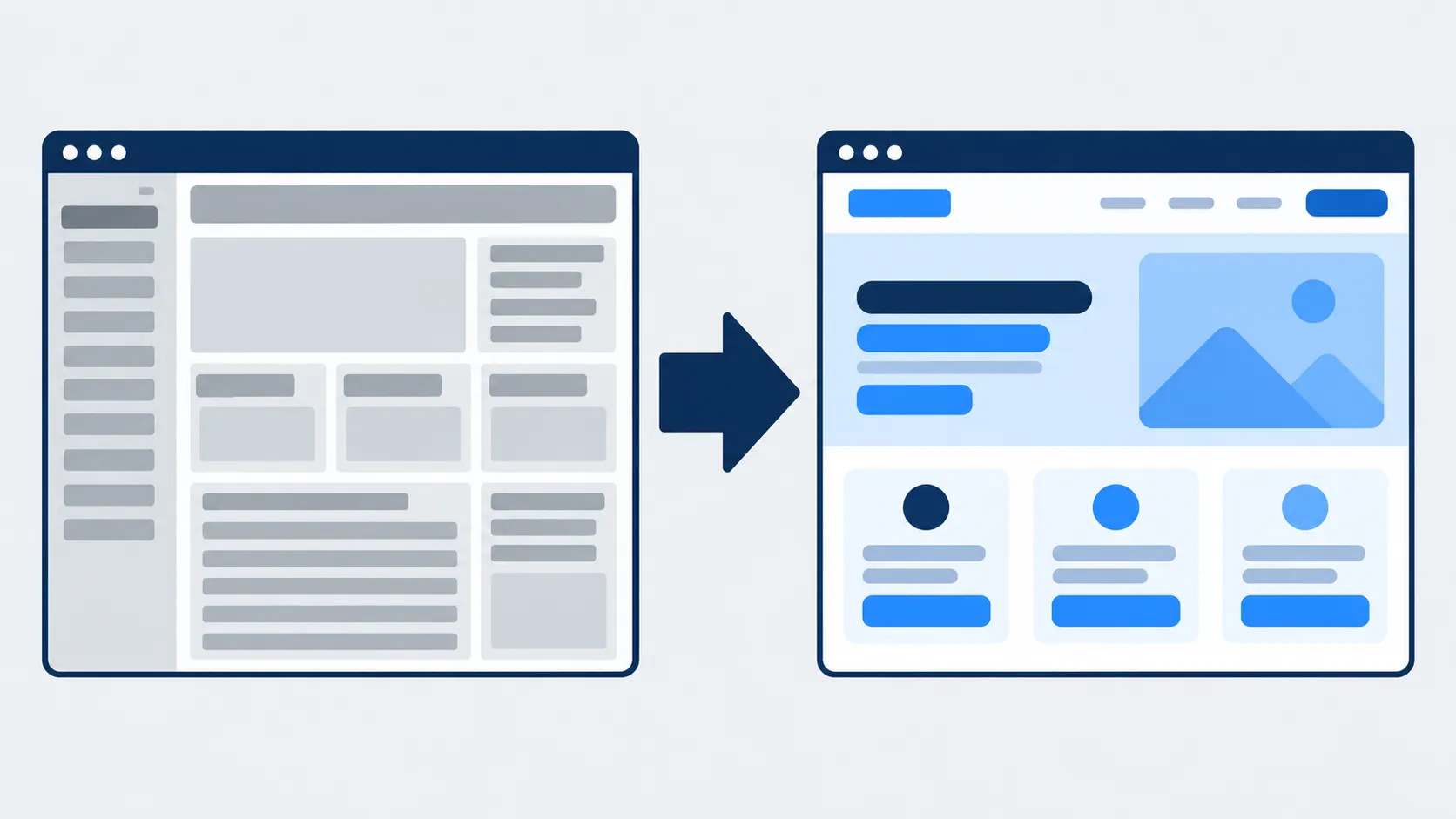
As a developer, I often get the chance to see other developers’ portfolios. Here are the patterns that make me think, “This calls for caution.”
How to Spot Reused Templates
Compare several of their projects side by side. If the sites all have almost the same layout and structure, with only the colors and photos changed, they may be reusing a template.
Templates themselves aren’t bad. But it is a problem if a developer claims “We build fully custom sites” while reusing templates.
The trick to spotting this is to compare whether the header (top menu) and footer (bottom) structure is the same across sites. If the structure is exactly the same, it’s likely they are built from a template.
The Pitfall of Projects With Unclear Scope
One thing to watch for in agency portfolios is when “what the company actually handled” isn’t stated.
Some agencies do only the design in-house and outsource the coding. Others handle only the direction and hand off both design and coding entirely to outside freelancers.
Ask, “Which parts of this project did you handle?” Whether they can give a clear answer helps you judge how trustworthy they are.
The Risk When the Portfolio Is Full of Old Work
Be careful if the sites in a portfolio are all from 2–3 or more years ago.
Web design trends and technology change constantly. Having only old work means one of two things: “they haven’t had much work lately,” or “they haven’t had time to update their portfolio.”
When you talk to a developer, ask, “Could you show me projects you’ve completed within the past year?” Seeing their latest work lets you accurately judge their current skill level.
Even once you know how to read a portfolio, you may still find it hard to decide. Feel free to reach out to us.
Web制作・システム開発は
First CHにお任せください
「こんなWebサイトが欲しい」「このシステムは実現できる?」——
現役エンジニアが直接お話を伺い、最適な進め方をご提案します。
「まだ構想段階」「費用感だけ知りたい」というご相談も歓迎です。
What to Check Besides the Portfolio
It’s risky to judge a developer on their portfolio alone. Be sure to check the following three things as well.
Is the quote breakdown clear?
“Website development, complete package: XX0,000 yen” — be careful with quotes that don’t show a breakdown.
Industry trouble cases include situations like “we found out later that writing the content was an optional extra” and “we were told about the maintenance fee for the first time only after the site went live.”
A good quote clearly states the design fee, coding fee, CMS setup fee, and the scope of revisions. Developers who give you a clear breakdown tend to be transparent in how they work, too.
Check post-delivery support and ownership
A website isn’t “done once it’s built.” Confirm in advance what support is available after launch, such as WordPress updates, security measures, and minor fixes.
It is also very important to check whether your company owns the server and domain. If they are contracted in the developer’s name, you risk losing access even to your own website the moment you can no longer reach that person. There have actually been reported cases of “an agency refusing to hand over data when we switched agencies.”
Will they sign a contract?
“They’re a freelancer, so we don’t need a contract” is a dangerous way of thinking.
According to survey data from a project commissioned by the Ministry of Health, Labour and Welfare, more than 70% of transactions are done without a written contract. Without a contract, you have no way to prove anything if problems arise over missed deadlines, demands for additional fees, or who owns the copyright.
The new Freelance Act, which took effect in November 2024, also requires contract terms to be stated in writing. Ask, “Will you prepare a contract?” and choose a developer who gladly agrees.
3 Steps to Avoid Losing Out When Choosing a Developer
Prepare 3 reference sites before you consult
Before talking to a developer, pick out about 3 reference sites that show “the kind of site we want.” This makes communication much smoother.
They can be sites from competitors in your industry or from completely different industries. Just add a short note on what you like, such as “I like the colors on this site” or “this layout is easy to read,” and the developer can get a fairly accurate picture of what you want.
2–3 competing quotes is the right number
You should get competing quotes, but too many can backfire.
One survey found that whether or not a competition was held had no relation to how likely the project was to succeed. If you reach out to 5 or more companies, you’ll wear yourself out just going back and forth, and your judgment on the key question — “which developer is right for us?” — is more likely to waver.
You’ll get better results by narrowing it down to 2–3 companies and comparing each portfolio using the checkpoints in this article.
Put weight on the contact person’s personality and listening skills
The survey mentioned earlier had one more notable finding.
When people put weight on “the personality of the salesperson or director” or “their listening skills” as the deciding factor in choosing a developer, the success rate was over 60%. Another survey also found that “speed of response” and “depth of knowledge” were the top deciding factors in terms of how the developer deals with clients.
This shows that it’s not just the developer’s skills but also the quality of communication that determines the results.
During your first inquiry or consultation, try to get a sense of the following:
- Do they listen carefully to what you say?
- Do they explain things clearly without jargon?
- Do they respond (reply) quickly?
- Do they honestly tell you what they “can’t do”?
To be honest, building a website is a joint effort with the developer. You’ll be working together for several months, so whether you feel “we could work smoothly with this person” is just as important a criterion as cost and skill.
Summary
| Point | Details |
|---|---|
| Outsourcing failure rate | About 87.7% experienced some kind of failure. Many cases can be prevented at the selection stage |
| How to read a portfolio | Look for a “problem → solution → results” story, not good looks |
| Warning signs | Reused templates, unclear scope, mostly old work |
| Beyond the portfolio | Check 3 things: the quote breakdown, ownership, and the contract |
| Most important criterion | The contact person’s personality and listening skills (success rate over 60%) |
The key to avoiding failure is to choose not because “they have lots of past work, so it’s safe,” but from the perspective of “will this developer understand and solve our company’s problems?”
Just knowing how to read a portfolio makes a big difference in how well you choose a developer. Use the checkpoints in this article to find a partner you can trust.
For those who say, “We don’t know how to choose a developer” or “We’d like advice on comparing quotes.”
First CH offers free consultations on website development. Feel free to contact us, even if you just have a technical question.
Web制作・システム開発は
First CHにお任せください
「こんなWebサイトが欲しい」「このシステムは実現できる?」——
現役エンジニアが直接お話を伺い、最適な進め方をご提案します。
「まだ構想段階」「費用感だけ知りたい」というご相談も歓迎です。







